Bathroom Remodeling in Los Angeles, CA, is one of the best ways to upgrade both the comfort and value of homes.
The right components make all the difference in creating a space that’s both functional and beautiful. The key elements include the vanity, shower walls, tub, toilet, flooring, lighting, and fixtures. Each plays a major role in both style and usability.
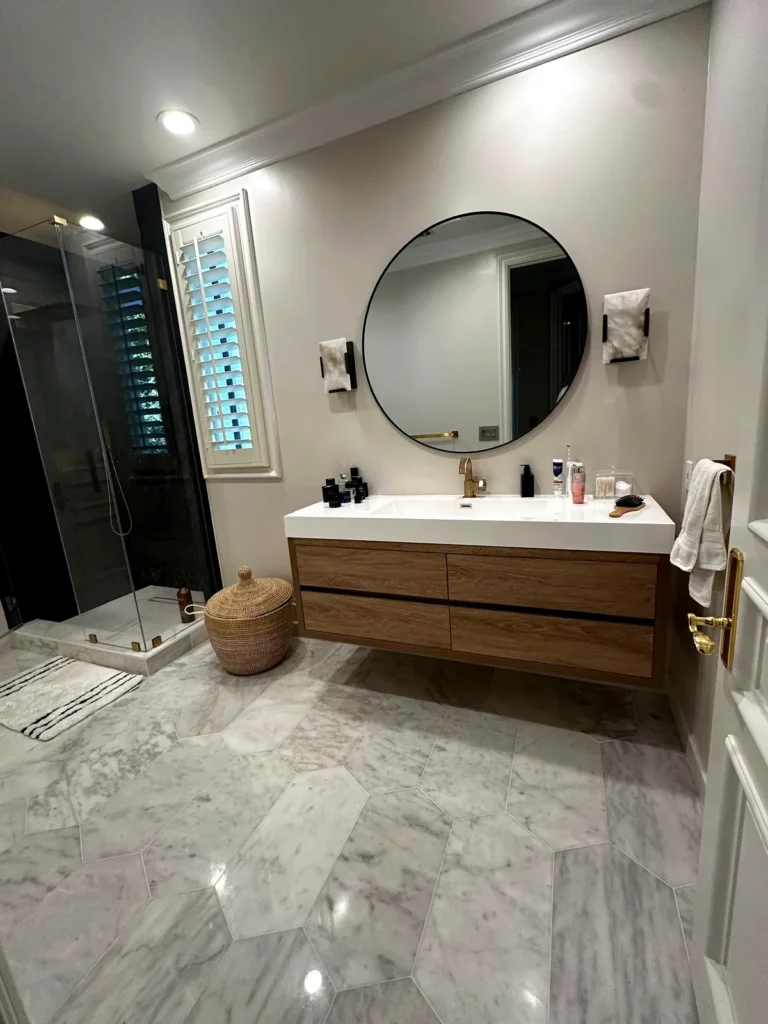
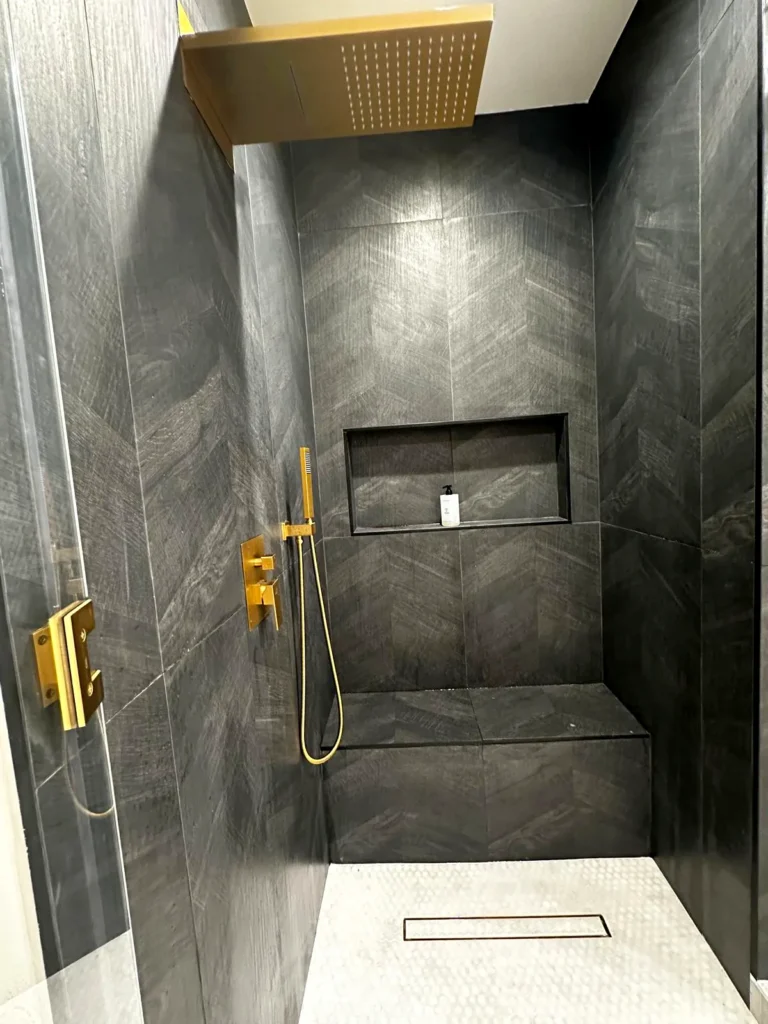
Recent bathroom remodel in Los Angeles · See all bathrooms →
- Vanity
The Vanity is often the focal point of the bathroom. It combines storage, counter space, and a sink, so choosing the right size and design is crucial. Materials like quartz or marble countertops paired with modern or classic cabinetry can set the tone for the whole space. - Shower
Walk-in showers with frameless glass enclosures create a clean, open look that works beautifully in bathrooms of all sizes. Features like rainfall showerheads, handheld sprays, built-in niches, and bench seating add both comfort and convenience, turning a simple shower into a spa-like experience.
Bathroom Remodel Contractor in Los Angeles, CA
When it comes to the shower walls, using tile or a full slab makes a big impression and brings a natural, high-end feel to the space. From sleek porcelain to elegant natural stone, the right material can completely transform your shower, giving it a unique and luxurious atmosphere that feels both modern and timeless.
- Tubs
Tubs bring a sense of relaxation and elegance to any bathroom. Freestanding soaking tubs have become a popular design statement, perfect for creating a spa-like retreat. For families with small children, traditional alcove tubs still offer practicality and ease of use. Jetted tubs or whirlpool options provide therapeutic benefits, while deep soaking tubs are great for unwinding after a long day. Whether classic or contemporary, a tub adds timeless charm and enhances comfort in your bathroom. - Toilets might seem basic, but modern designs offer water efficiency, sleek profiles, and even built-in bidets.
- Flooring must be durable and water-resistant. Porcelain tile is a top choice for its look and longevity.
- Lighting is key for both function and mood. Layered lighting overhead, task, and accent creates a bright yet cozy space.
- Finally, fixtures like faucets, towel bars, and handles tie everything together. Finishes like brushed nickel, matte black, or brass add a stylish finishing touch to an updated bathroom.
Perfection Builders’s team combines beauty, comfort, and long-term value in every project.
Being one of the richest cities in the world, Los Angeles has elevated bathroom remodeling to a whole new level combining functionality, luxury, and modern style. Homeowners are moving beyond basic updates, opting for spa-inspired features like walk-in showers, freestanding tubs, smart toilets, and custom vanities. With the city’s emphasis on sleek design and energy efficiency, materials like porcelain, quartz, and water-saving fixtures are in high demand. Many remodels now include enhanced lighting, better storage, and upscale finishes. The city’s permitting process ensures everything is safe and up to code.
Permit fees for bathroom remodeling vary based on the project’s size and complexity. LA city enforces building codes focused on safety, water conservation, and energy efficiency, such as Title 24 compliance. Inspections are required at key stages of construction. Kitchen and bath’s contractor is familiar with LA’s regulations and ensure your project meets all requirements and avoids costly delays.
Choosing the right Bathroom Flooring: Bathroom Remodeling Services Los Angeles
Porcelain tile and LVP are the most mold resistant and low maintenance options. Natural stone is beautiful but needs more care, while ceramic offers a balance between budget and performance. Proper installation, sealing, and ventilation are key in preventing mold with any material.
- Porcelain Tile
Porcelain is a top choice for bathrooms due to its dense, non-porous surface. It’s highly water-resistant, durable, and comes in a wide range of colors and styles—including wood or stone looks. Mold and mildew are unlikely to grow on porcelain itself, though grout lines can be vulnerable if not sealed properly. Regular cleaning and sealing grout help prevent any issues. - Ceramic Tile
Ceramic is similar to porcelain but slightly less dense and more porous. It’s still a strong option for bathrooms, offering excellent water resistance at a more affordable price. Like porcelain, mold is more likely to grow in grout lines rather than the tile itself. Proper ventilation and sealed grout keep this under control. - Natural Stone (Marble, Slate, Travertine)
Natural stone is elegant and durable, but it’s porous and requires sealing to resist water and mold. Without proper care, moisture can seep into the stone or grout, creating conditions for mold. It’s best used in bathrooms with excellent ventilation and routine maintenance. - Luxury Vinyl Plank (LVP)
LVP is 100% waterproof and great for high-moisture areas like bathrooms. It’s softer underfoot than tile and very easy to maintain. Since it has no grout and resists water, mold is extremely unlikely to grow if installed properly. It’s a solid choice for both performance and cost.
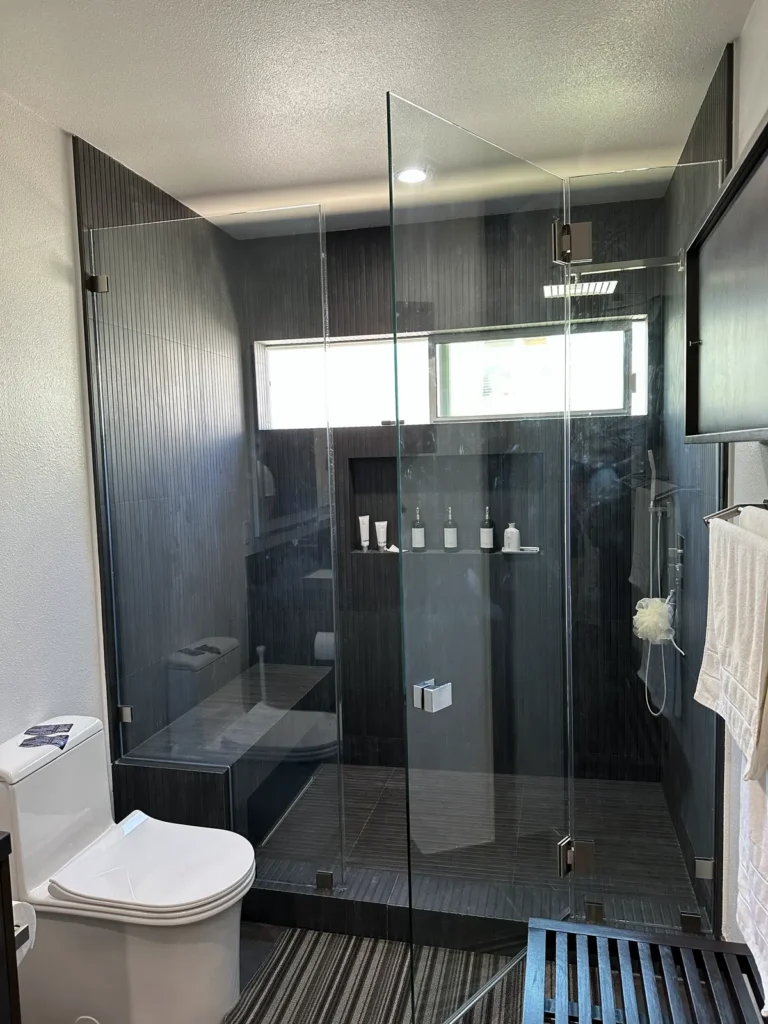
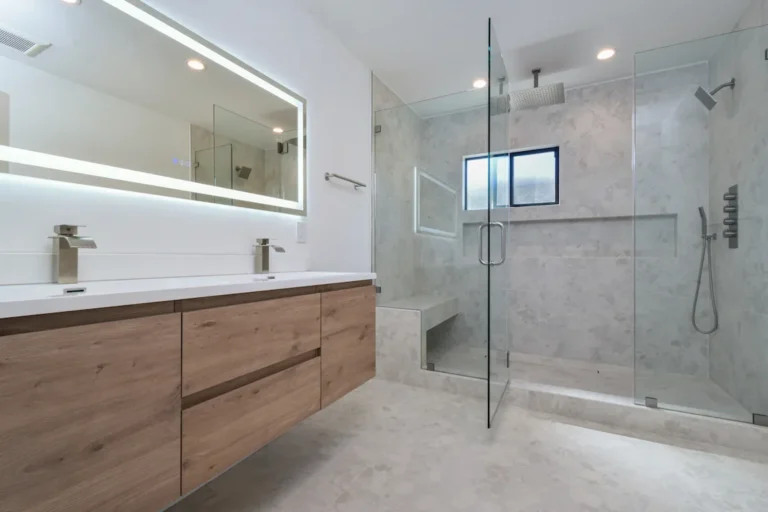
Left: Hollywood. Right: Studio City. · More bathroom projects →
How a Bathroom Remodel Comes Together
Transforming a bathroom is a layered process that begins long before any tile is laid. It starts with analyzing the space for potential examining plumbing access, natural light, and structural constraints. After designs are finalized and approvals secured, the room is stripped back to its bare bones. Pipes, wiring, and ventilation are mapped out anew, accommodating updated layouts or modern features like wall-mounted vanities or rainfall showers.
The bones of the room are then rebuilt, walls are reinforced or adjusted, and subfloors inspected or replaced. Instead of rushing to finish, attention turns to protection: moisture barriers and waterproofing systems are meticulously applied to prevent future damage. With the foundation set, surfaces take shape. Tiling is both a craft and a science, requiring precision and patience.
Finally, the room comes to life as fixtures, mirrors, lighting, and hardware are installed. The result is not just a bathroom, but a space reimagined, from the inside out.
Bathroom Remodel Timeline and Checklist
Here is an approximate timeline for a complete bathroom remodel:
Planning & Design (1 week)
• Site assessment and measurements
• Finalize design and layout
• Select materials and fixtures (tile, vanity, lighting, etc.)
• Obtain permits (plumbing, electrical, building)
Demolition (2–3 days)
• Turn off water and electricity
• Remove old tile, fixtures, vanity, drywall
• Cap plumbing and safely dispose of debris
Rough-In Work (4–7 days)
• Plumbing: reposition drains, supply lines
• Electrical: new lighting, outlets, GFCI protection
• HVAC: vent fan installation or relocation
• City inspection of rough plumbing and electrical
Framing & Backer Installation (2–3 days)
• Frame for niches, benches, new walls if needed
• Install cement board or moisture-resistant drywall
• Apply waterproofing membrane in wet areas
Tiling (5–7 days)
• Floor and wall tile installation
• Grouting and sealing
• Install shower pan or waterproof base
• Cure time before fixture install
Fixtures & Finishes (3–5 days)
• Install toilet, vanity, sink, faucet, shower trim
• Connect lighting, switches, and exhaust fan
• Paint walls and trim
• Install mirror, towel bars, and accessories.
Final Touches & Walkthrough (1–2 days)
• Seal grout, caulk edges
• Deep clean and polish surfaces
• Final inspection and client walkthrough
Adding a New Bathroom
A bathroom addition involves more than interior upgrades. It starts with expanding the home’s footprint. This requires architectural planning, zoning approval, and foundation work such as grading, trenching, and pouring concrete. New framing, roofing, and exterior finishes must match the existing structure. Utilities like plumbing lines, electrical circuits, and sewer connections need to be extended or upgraded, sometimes involving the main panel or municipal tie-ins. Proper insulation, waterproofing, and ventilation systems are essential to prevent long-term issues. Once the shell is built and utilities are in place, the interior process mirrors a standard remodel with finishes, fixtures, and final inspections completing the transformation.
See Bathroom Additions for more.
Bathroom Remodel Permits and Fees
In Los Angeles, bathroom remodels and additions must comply with strict city codes and require permits from the Department of Building and Safety. Any work involving plumbing, electrical, or structural changes like moving walls or adding square footage triggers permit requirements and inspections. For additions, a full plan check is necessary, often involving architectural drawings and engineering approval. Fees vary based on project size and estimated value, ranging from a few hundred to several thousand dollars. The city offers online tools to estimate costs, but working with Perfection Builders’s experienced, licensed contractor ensures compliance, smoother approvals, and long-term peace of mind.
For a closer look at kitchen and bathroom permits across Los Angeles, see the guide from our kitchen and bath team at Kitchen and Bath Los Angeles.
We’re excited to join you on the journey of creating the perfect bathroom. From the initial design ideas to the final finishing touches, Perfection Builders’s team is here to make the process smooth, enjoyable, and truly inspiring.
Contact us today and enjoy free 3D design, free consultation, and free estimate.
Wondering about cost? See our starting prices for bathroom projects in Los Angeles.